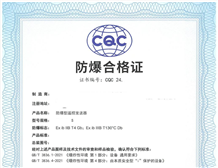
An Explosion-Proof Certificate is a certification issued for equipment used in flammable and explosive hazardous locations, complying with the GB/T 3836 series of standards. The application process……
Many customers are confused about the distinction between intrinsic safety certification and coal mine safety certification. Shenzhen STS Testing Technology Co., Ltd. (STS) will explain the two from t……
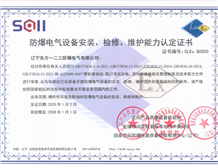
The qualification certificate for the installation and maintenance of explosion-proof electrical equipment is highly useful for explosion-proof electrical construction. This certificate is one of the ……
Many customers are confused about the meanings of the Ex and MA marks. As a professional explosion-proof testing and certification institution, STS Testing (Shenzhen) Co., Ltd. will give a brief expla……
The so-called gas explosion-proof certification and dust explosion-proof certification are classified according to the applicable environments of the equipment. Equipment for use in various hazardo……
Explosion-proof certification can be mainly divided into the following categories: 1. Compulsory Explosion-proof Certification (CCC-Ex) This is a mandatory product certification for certain type……
MA Certification is a mandatory product certification for equipment and products used in underground coal mines, adopting the mode of "product testing + factory inspection". It requires n……
Which Ex certifications an Ex product needs to obtain is determined by the product category and application scenarios. Domestically, Ex products are currently divided into mining-Ex products and no……
Intrinsic safety is a common explosion-proof protection mode on the current market. Its core principle is to limit the circuit energy of electrical equipment, ensuring that the electric sparks or ther……
ATEX derives its name from the French term ATmosphères Explosibles (potentially explosive atmospheres). ATEX certification refers to the conformity assessment system stipulated in Directive 94/9/EC on……
Which is safer for equipment: Flameproof (Ex d) protection or Intrinsic Safety (Ex i) protection? And how to choose between them? STS briefly explains the relationship and differences between Flamepro……
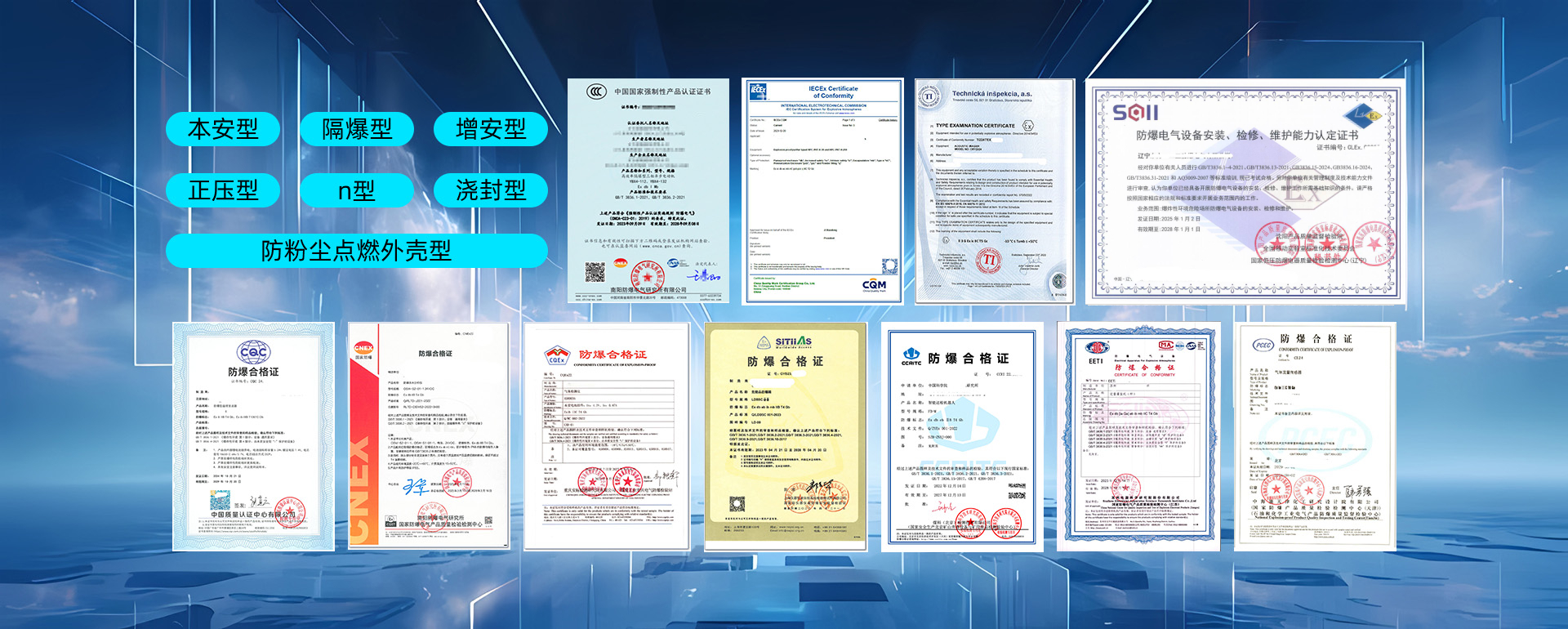
.jpg "List of China's Ex Certificate-Issuing Institutions")
.jpg "What are the differences between Ex i certification and Ex certification?")
.jpg "What are the differences between Ex i certification and MA certification?")
.jpg "What are the differences between gas and dust Ex certification?")
.jpg "What are the categories of Excertification?")
.png "How to apply for MA Marking?")
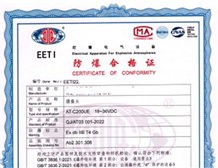
.png "The Notified Body of ATEX Ex Certification in EU")